
Loading...
Serving Glendora, CA and surrounding areas. (626) 640-8959
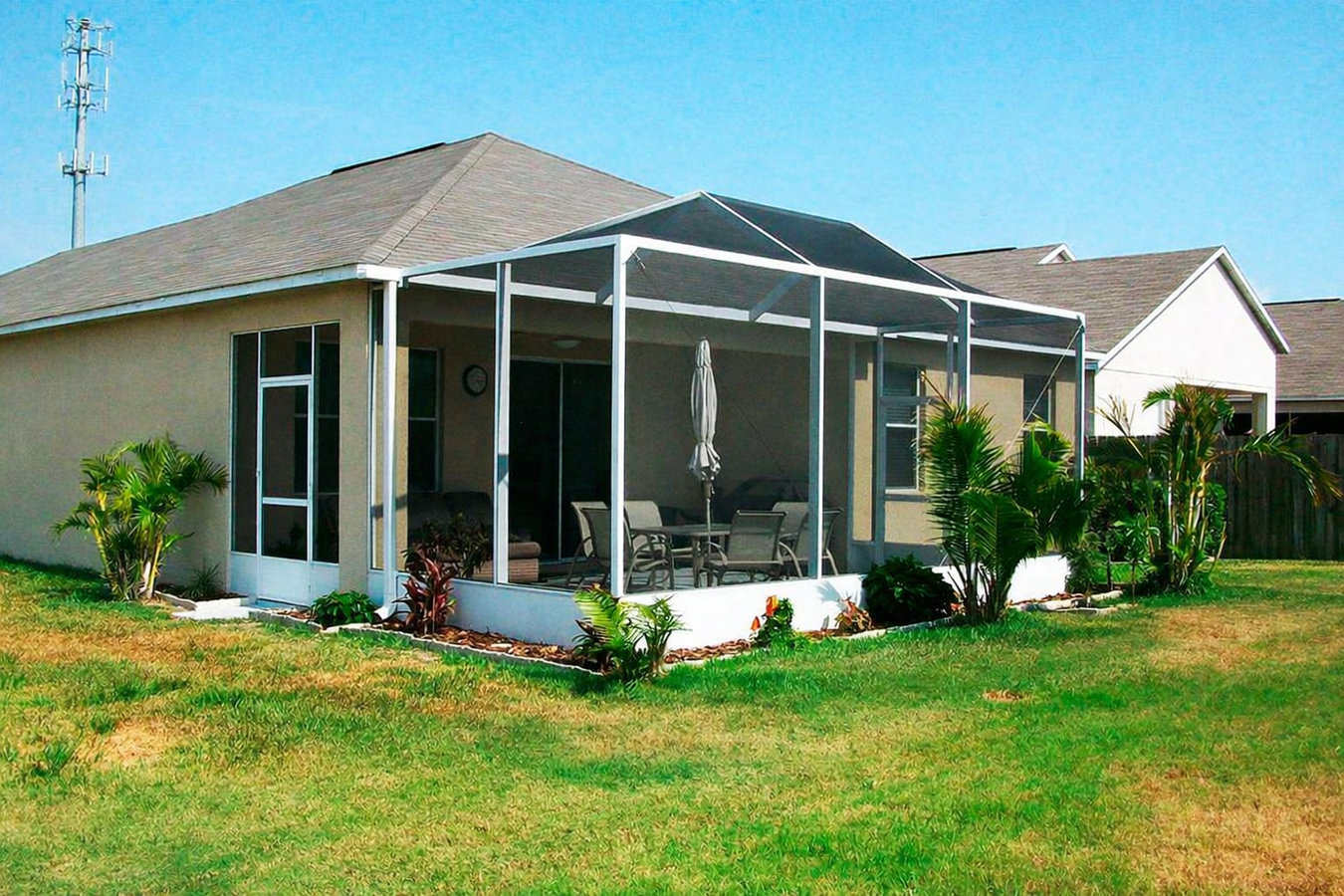
Glendora patios sit empty half the year because of heat, bugs, and foothills dust. A screened room lets you enjoy the outdoors again - fresh air, natural light, and shade - without any of that getting in.
Screen room installation in Glendora means building a fully enclosed outdoor living space with screen panels instead of glass walls - giving you fresh air and open views while keeping out bugs, dust, and direct sun, with most projects taking three to seven days of active construction once permits are in hand.
A screen room sits between your indoor living space and the open backyard. You get the feel of being outside - breezes, natural light, views of your yard - without the mosquitoes at dusk, the foothills pollen in spring, or the direct sun baking you out in July. For many Glendora homeowners, it is the most practical way to reclaim their backyard for daily use.
If you want full glass walls and year-round climate control rather than screens, our patio enclosures service may be the better fit - it covers solid-wall enclosed structures with proper weather sealing rather than open-air screening.
If your backyard patio sits empty for most of the year because the sun is too intense or the mosquitoes come out at dusk, a screen room with a solid insulated roof changes that. Glendora's long, hot summers mean an uncovered patio is genuinely uncomfortable for months - a properly designed screen room turns the same space into somewhere your family actually wants to spend time.
If you have a perfectly good concrete patio that never gets used because there is nothing to draw you out there, that slab is the foundation you need. Many Glendora homes have original patio slabs from the 1950s and 1960s construction era that have never been enclosed - building on an existing slab is typically faster and less expensive than starting from scratch.
Glendora's location at the base of the San Gabriel Mountains means wind-blown dust, spring pollen, and Santa Ana debris are facts of daily life. If you are constantly sweeping your patio or avoiding it during windy days, a fully enclosed screen room keeps the worst of it out while still letting air flow freely through the space.
An older aluminum patio cover or wood lattice structure that is starting to rust, sag, or gap where it meets the house is a natural moment to upgrade to a full screen room rather than patch what is there. A screen room built to current standards is better anchored, better sealed against Santa Ana winds, and more useful than most aging covers.
We install screen rooms on existing slabs and on new concrete pads, with roof options ranging from solid insulated panels - which perform best in Glendora's heat - to open screened roofs for maximum airflow. Every room includes proper flashing where the roof meets your home's exterior wall, reinforced anchoring designed for San Gabriel Valley wind conditions, and screen fabric selected for this climate. For homeowners who want to step up from screens to solid glass walls, we also handle patio-to-sunroom conversion. And if you want a fully enclosed structure with panels rather than screens, our patio enclosures service covers that path.
Every installation goes through the City of Glendora permit process. We handle the application, schedule the city inspector visits, and deliver a permitted, documented room when the job is done.
Suits homeowners with a level, structurally sound patio slab who want to get into a finished room faster and at lower cost.
Suits homeowners without an existing slab, or whose current slab has settled or cracked beyond repair.
Suits Glendora homeowners who want the room to be usable in summer - the solid roof blocks direct sun and keeps temperatures dramatically lower than a screened roof.
Suits homeowners in shaded yards or those who prioritize maximum airflow and ventilation over heat control.
Glendora sits at the base of the San Gabriel Mountains and gets hot - mid-90s to low 100s are normal through the summer months. The foothills also funnel Santa Ana winds straight into backyards every fall, with gusts that regularly top 50 miles per hour. A screen room built for these conditions uses heavier framing, reinforced post anchors, and a solid insulated roof that keeps the space cool from above while the screen walls provide full airflow. The Screen Manufacturers Association sets quality standards for screen mesh and installation practices that we follow on every project.
The housing stock in neighborhoods around Glendora and neighboring San Dimas skews heavily toward mid-century construction - homes built in the 1950s through 1970s with concrete patios that have been sitting unused for decades. Many of those slabs are still in good enough condition to build on, which makes screen room installation one of the most cost-effective improvements available to homeowners in this area. We assess every slab before we commit to a price so there are no surprises after work begins.
Tell us the approximate size of your patio, whether you have an existing slab, and what you want to use the space for. We reply within one business day and schedule a site visit - no commitment required at this stage.
We visit your home, measure the space, assess the slab, and check how the house's exterior wall is built - because that is where the roof structure attaches. You receive a written estimate before we leave, covering roof type, screen options, and door placement.
We submit the permit application to the City of Glendora. If your neighborhood has an HOA, we help you prepare the architectural review submission. Permit approval typically takes one to three weeks; HOA reviews can run longer.
Framing and screening typically takes three to seven days once work begins. The city inspector visits during framing and at completion. We walk through the finished room with you before we leave and show you how to maintain the screens and door hardware.
Free on-site estimate, written quote, no pressure. We handle permits and HOA submissions.
(626) 640-8959Santa Ana winds are a real structural concern for screen rooms in Glendora. We use heavier framing and reinforced roof-to-house connections as a standard practice - not an upgrade you have to ask for. A screen room that pulls away from the house in its first fall wind event is not a finished job.
We inspect your existing concrete slab during the estimate visit and tell you honestly whether it can support the room as-is. If it needs repair, you know before we start - not mid-project when the cost of saying no is much higher.
We pull the permit, schedule inspections, and deliver a documented room. An unpermitted screen room is a liability when you sell - a licensed contractor who skips permits is doing you a disservice, not a favor.
We tell every homeowner in this area the same thing: a solid insulated roof outperforms a screened roof for comfort from June through September. If you want maximum airflow and have significant shade, we will tell you that too. The recommendation matches your yard, not a sales script.
These details add up to one thing: a screen room that holds up to Glendora conditions and gives you a backyard you actually want to use. Verify contractor licensing at the California Contractors State License Board.
If you want full glass walls and year-round climate control instead of screens, a patio-to-sunroom conversion gives you a completely enclosed living space.
Learn MorePatio enclosures use solid panels and glass rather than screens, providing a more weather-sealed option for homeowners who want full protection from the elements.
Learn MorePermit slots fill up in spring - the sooner we submit your application, the sooner you are using the space. Call today for a free estimate.