
Loading...
Serving Glendora, CA and surrounding areas. (626) 640-8959
Premier Glendora Sunrooms & Patios brings licensed sunroom contractor services to San Dimas, CA, including four season sunrooms, patio enclosures, and custom sunroom additions. We serve homeowners throughout San Dimas and handle every permit through the city's building department so the process is straightforward from day one.
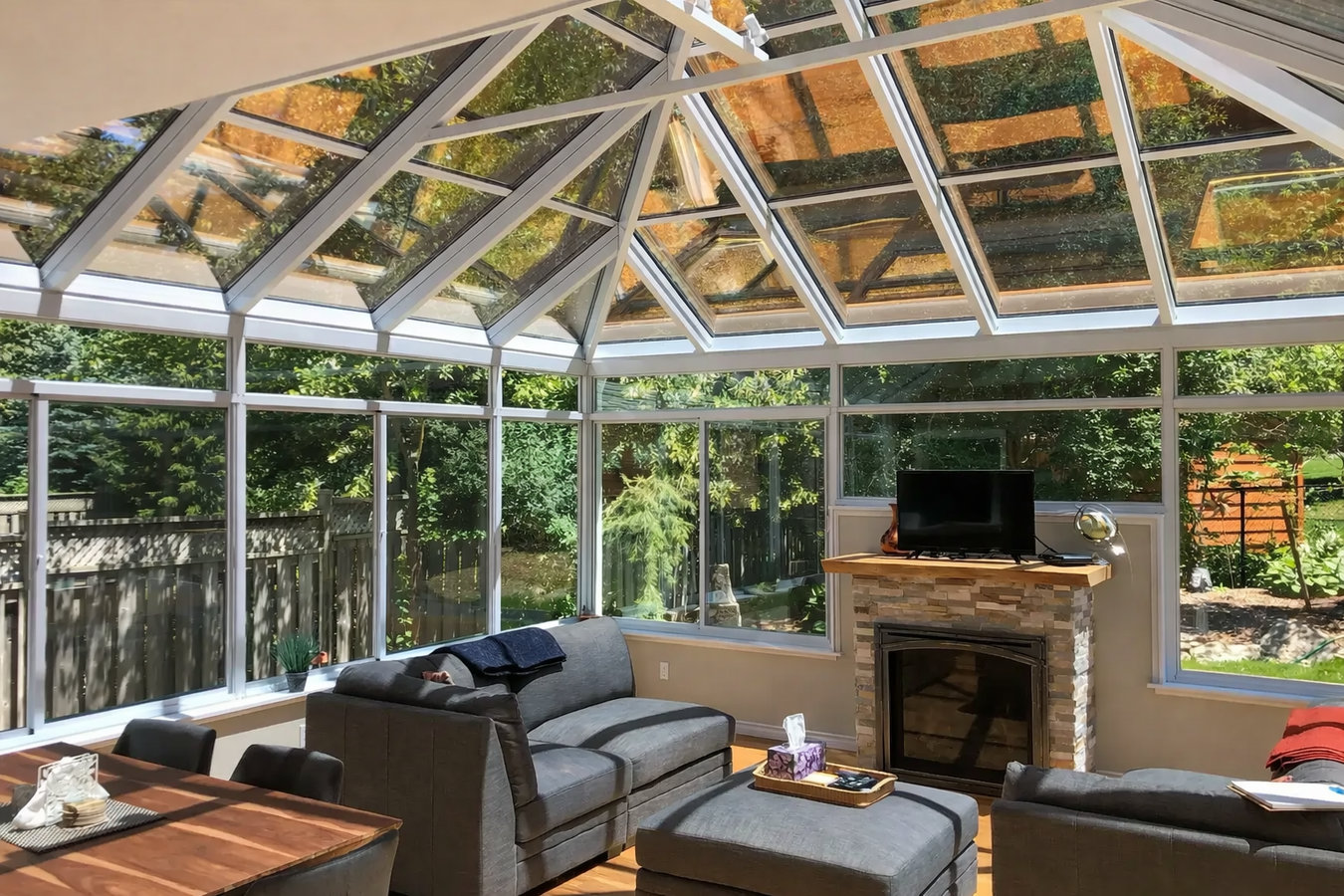
San Dimas summers push temperatures into the mid-90s, and an uninsulated room will be unusable for five months out of the year. A fully insulated four season sunroom with low-e glass and climate control gives you a comfortable, light-filled space you can actually use year-round, not just when the weather cooperates.
Many San Dimas ranch homes have concrete patio slabs that sit empty because they offer no shade or protection from summer heat. Enclosing that slab into a proper room - permitted and built to code - turns an overlooked outdoor space into one of the most used rooms in the house.
San Dimas homeowners who have lived in their homes for decades often reach a point where they need more space without wanting the disruption of a full home addition. A sunroom addition on the back of the house adds a real room, brings in natural light, and works with your existing footprint rather than against it.
Hillside properties near San Dimas Canyon often have sloped or terraced lots that a standard prefabricated sunroom cannot accommodate. Custom design and build work lets us match the room to your actual terrain and the character of your home rather than forcing a kit onto a site it was not made for.
During San Dimas's mild spring and fall months, a screen room lets you take advantage of the mountain air and open views without bugs or debris from the canyon. It is a practical, lower-cost way to extend your outdoor living season before deciding whether to go fully enclosed.
A solid patio cover gives San Dimas homeowners immediate shade and protection from the intense UV exposure that bleaches concrete and fades outdoor furniture. It is also a natural first step for homeowners who are considering a full enclosure but want to start with a lower investment.
The bulk of San Dimas's housing was built between the 1950s and the early 1980s, which means most homeowners are working with older concrete slabs, stucco exteriors, and lot configurations that were laid out before today's construction standards. A contractor who knows this housing stock understands that older slabs need to be assessed before building on them, that stucco transitions at the connection point between house and sunroom need careful handling, and that clay soils common to the San Gabriel Valley tend to shift with seasonal rain and drought cycles - movement that puts stress on foundations and concrete flatwork over time.
San Dimas also has a meaningful number of properties in the northern part of the city where lots climb toward San Dimas Canyon. Those hillside lots behave differently from the flat grid in the southern part of town near Via Verde and the 57 Freeway. Sloped terrain requires additional foundation planning, and homes closer to the foothills also fall within or near fire hazard zones - a factor that influences material choices and how carefully the room is sealed against smoke and embers during fire season.
Our crew works throughout San Dimas regularly, and we understand the local conditions that affect sunroom contractor work here. We are familiar with the permit process through the City of San Dimas Community Development department, and we know what the plan check reviewers look for in sunroom and patio enclosure drawings. That familiarity means fewer back-and-forth revisions and a faster permit approval cycle for your project.
San Dimas is a city where people put down roots. Many of the homeowners we work with have lived in the same house for twenty or thirty years, and they are not looking for a quick fix - they want work done right. Whether a home is near Raging Waters on the south end of town, in the neighborhoods along Lone Hill Avenue, or up toward San Dimas Canyon, we understand the different lot conditions and property types in each part of the city.
We also cover the surrounding communities. San Dimas sits between Glendora to the east and La Verne to the west along the 210 Freeway corridor, and we serve both of those cities as well. If you have neighbors or family in either community, they can count on the same crew and the same process.
Reach us by phone or through the contact form, and we will respond within 1 business day. We ask a few questions about your property, your goals, and whether your neighborhood has an HOA so nothing catches us off guard at the estimate stage.
We visit your San Dimas property, assess the slab or yard conditions, measure the space, and walk through design options with you in person. This is where we address cost honestly - including any foundation work your lot may require - so there are no surprises later.
We submit your building permit application to the City of San Dimas and manage any HOA design review process simultaneously. Permit review typically takes two to four weeks, and we keep you updated so you always know where your project stands.
Once permits are approved, our crew builds the room, coordinates all required city inspections, and finishes with a full walkthrough. You verify every detail meets your expectations before we close out the job, and you receive all permit and inspection documentation for your records.
From hillside lots near San Dimas Canyon to the flat neighborhoods by the 57 Freeway, we know San Dimas properties. Get a free, detailed estimate with no obligation.
(626) 640-8959San Dimas is a city of about 34,000 people at the western end of the eastern San Gabriel Valley, sitting between Glendora to the east and La Verne to the west. The city is bordered to the north by the San Gabriel Mountains, and San Dimas Canyon runs north from the city into the foothills - a feature that defines the character of the northern neighborhoods and gives the city its mountain-adjacent feel. Most of the housing stock is single-family, owner-occupied homes built between the 1950s and the early 1980s. Ranch-style and traditional California tract homes with stucco exteriors dominate the residential landscape, with larger and more varied lots in the northern, hillside portions of the city and smaller, more uniform parcels in the south.
San Dimas has a long community identity tied to its agricultural roots - the city's annual Walnut Festival is one of the oldest community events in the San Gabriel Valley, reflecting the era when walnut groves covered the land. Today, the city is perhaps best known regionally for Raging Waters, one of the largest water parks in California, which draws visitors from across the Los Angeles area every summer. Residents are well connected to surrounding communities via the 57 and 210 freeways, and we serve homeowners here alongside those in neighboring La Verne to the west and Claremont further down the 210 corridor.
Full-service sunroom construction from foundation to finishing touches.
Learn MoreWhether your home is near San Dimas Canyon, along Lone Hill Avenue, or anywhere else in San Dimas, we are ready to walk your property and give you a clear, no-obligation estimate.